

Companionship care in West Yorkshire
or call 07845 830 533 to speak to the team
What is companionship care
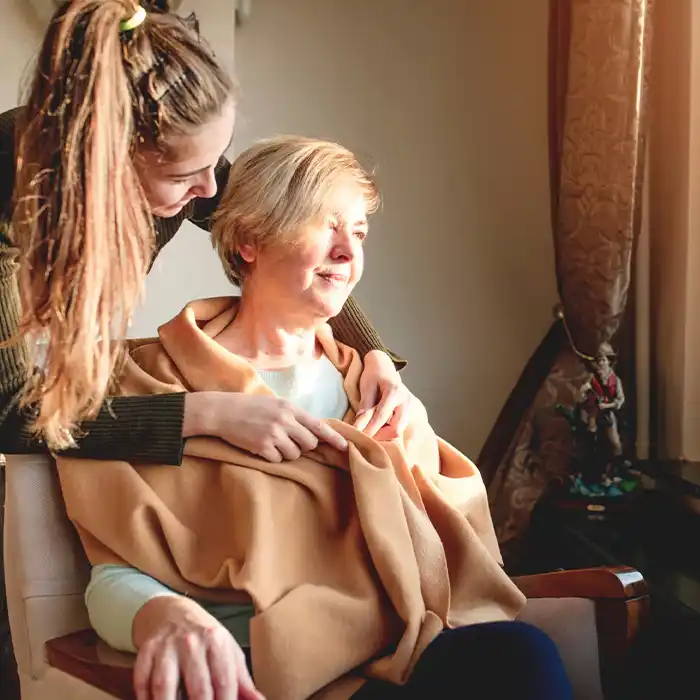
Companionship care is support that focuses on your social and emotional wellbeing. Instead of only helping with personal care or medical tasks, a companion spends time with you, listens, and helps you keep doing the things you enjoy.
This might mean:
regular chats over a cup of tea
getting out of the house more often
having someone there for meals, walks, or hobbies
knowing that a familiar face will check in on you
You stay in your own home and stay in control of how you spend your time. We simply add a caring, reliable person to your day.
Your companion can help with
Everyday company at home
Regular visits for conversation, games, reading together, or simply quiet company so you do not feel alone.
Meals and shared routines
Help with simple meal preparation, sitting to eat with you, and keeping mealtimes relaxed and enjoyable.
Getting out and about
Support to go for walks, visit the park, attend faith or community activities, or meet friends and family.
Shopping and local errands
Help with food shopping, collecting prescriptions, posting letters, or other small tasks that are hard to manage alone.
Appointments and travel
A companion can come with you to appointments or social events, help with transport, and make sure you get home safely.
Light household tasks
Simple tidying, washing up, laundry, and keeping key areas safe and comfortable.

Before support starts, we agree together what would make the biggest difference to your day.
Companionship care with Zaytuna

Relationship based care
We build a small, consistent team around you so you see familiar faces who understand your routines, interests, and boundaries.
Over twenty years of experience
Our leadership team has long experience in social care, mental health, and disability support, which means we understand complex situations.

Carefully managed caseloads

Culturally aware support

Trusted by families and professionals

A companion can support you through
Living alone
If you spend long periods on your own, a regular visitor can break up the day and give you something to look forward to.
Bereavement or big life changes
When you have lost someone close or life has shifted suddenly, having a steady, kind presence can help you feel less adrift.
Long term health conditions
If your health makes it harder to get out, a companion can help you stay connected to the outside world.
Mental health challenges
For people living with depression, anxiety, or other mental health issues, gentle social contact and routine can support recovery.
Caring for a partner or parent
If you care for someone else, a companion for them can give you space to rest, run errands, or focus on your own needs.

Companionship for different ages
Older adults
Support to keep up hobbies, stay in touch with family, attend faith and community activities, and feel safe at home.
Younger adults with disabilities or mental health needs
People in recovery
How to arrange companionship care
1
Speak to the team
2
Free care consultation
3
Companionship care begins
or call: 07845 830 533.
Frequently asked questions
Do I have to have personal care to receive companionship support?
No. Companionship care can be purely social and practical. If you later decide that you would like help with personal care tasks such as washing or dressing, we can review your plan with you.
How often can a companion visit?
Will I always see the same companion?
We aim to provide a small, consistent team so you see the same people as often as possible. If we ever need to make a change, we will keep you and your family informed.